








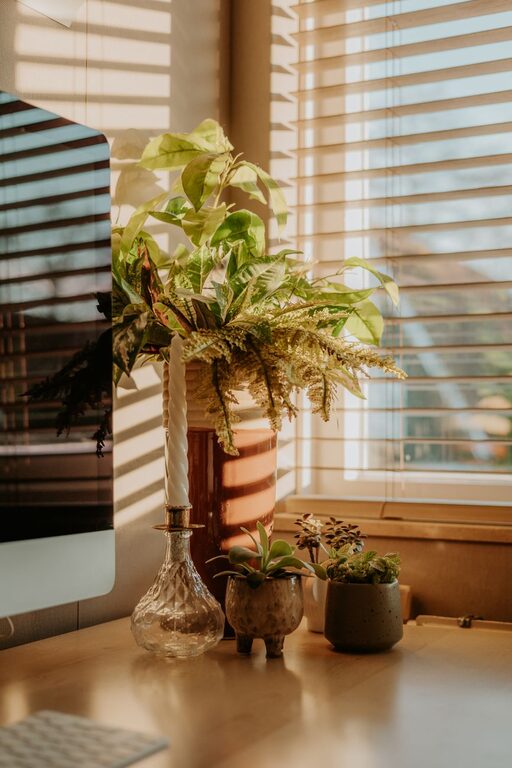
Creating a cozy and inviting home office space has become essential for many people working remotely or managing tasks from home. A well-designed workspace can boost your productivity, reduce stress, and make working from home more enjoyable. Whether you have a dedicated room or a corner in your living area, these tips will help you transform your space into a comfortable and inspiring office.
Choose the Right Location
Finding the ideal spot for your home office is the first step. Ideally, select a quiet area with minimal distractions and enough natural light.
– Consider natural light: Position your desk near a window to take advantage of daylight, which can improve mood and reduce eye strain.
– Evaluate noise levels: Choose a space away from noisy areas like the kitchen or living room if possible.
– Ensure privacy: If family members or roommates share the space, consider using room dividers or noise-canceling headphones to maintain focus.
Invest in Comfortable Furniture
Comfortable and ergonomic furniture is key to long-term productivity and health.
– Choose an ergonomic chair: Look for adjustable chairs that support your lower back and promote good posture.
– Select a suitable desk: Make sure the desk is the right height for you and has enough surface area for your computer, documents, and other essentials.
– Consider a standing desk: Alternating between sitting and standing throughout the day can boost energy and reduce fatigue.
Create an Organized Layout
Clutter can be distracting and stressful. Organize your office so everything has a place.
– Use storage solutions: Shelves, filing cabinets, and desk organizers help keep your space tidy.
– Limit non-essential items: Only keep items you use regularly on your desk.
– Cable management: Use clips or sleeves to keep cords tidy and out of sight.
Add Personal Touches
Making your home office feel welcoming and unique can increase your comfort and motivation.
– Incorporate plants: Indoor plants improve air quality and add a calming vibe.
– Display artwork or photos: Choose pieces that inspire or make you happy.
– Use cozy textiles: A soft rug or throw blanket can add warmth and texture.
Optimize Lighting
Proper lighting reduces eye strain and creates a pleasant atmosphere.
– Combine natural and artificial light: Use desk lamps or floor lamps with adjustable brightness.
– Choose warm light bulbs: Warm light creates a cozy environment compared to harsh, cool lighting.
– Position lights strategically: Avoid glare on screens and shadows on your work area.
Control Temperature and Air Quality
A comfortable temperature and fresh air contribute to better focus.
– Adjust thermostat settings: Set a temperature that is neither too hot nor too cold.
– Ventilate regularly: Open windows or use air purifiers to keep the air fresh.
– Use fans or heaters: Depending on the season, use additional devices to maintain comfort.
Minimize Distractions
Creating a distraction-free zone helps maintain concentration.
– Hide noisy devices: Keep phones on silent or in another room when possible.
– Limit visual distractions: Keep your workspace neat and avoid clutter that can draw attention.
– Use noise-canceling headphones: These can be very helpful if you can’t control background sounds.
Incorporate Technology Thoughtfully
Use technology that supports your work without adding frustration.
– Invest in reliable equipment: A fast computer, stable internet, and quality peripherals improve efficiency.
– Organize digital files: Keep your desktop and folders clean and labeled.
– Use productivity apps: Tools for time management and focus can enhance your workflow.
Schedule Breaks and Personal Time
Remember to design your space not just for work, but also for well-being.
– Create a relaxation corner: A small area with a comfy chair or cushion can help you take mental breaks.
– Encourage movement: Keep space for stretching or light exercise.
– Set boundaries: Establish clear work hours to balance productivity with rest.
—
Designing a cozy and inviting home office doesn’t require a large budget or major renovations. By focusing on comfort, organization, and personal touches, you can create a space that feels good to work in every day. Small changes can make a big difference in how you approach your work and help maintain a healthy, balanced home-office environment.